Glenstone’s Living Map now available in Spanish

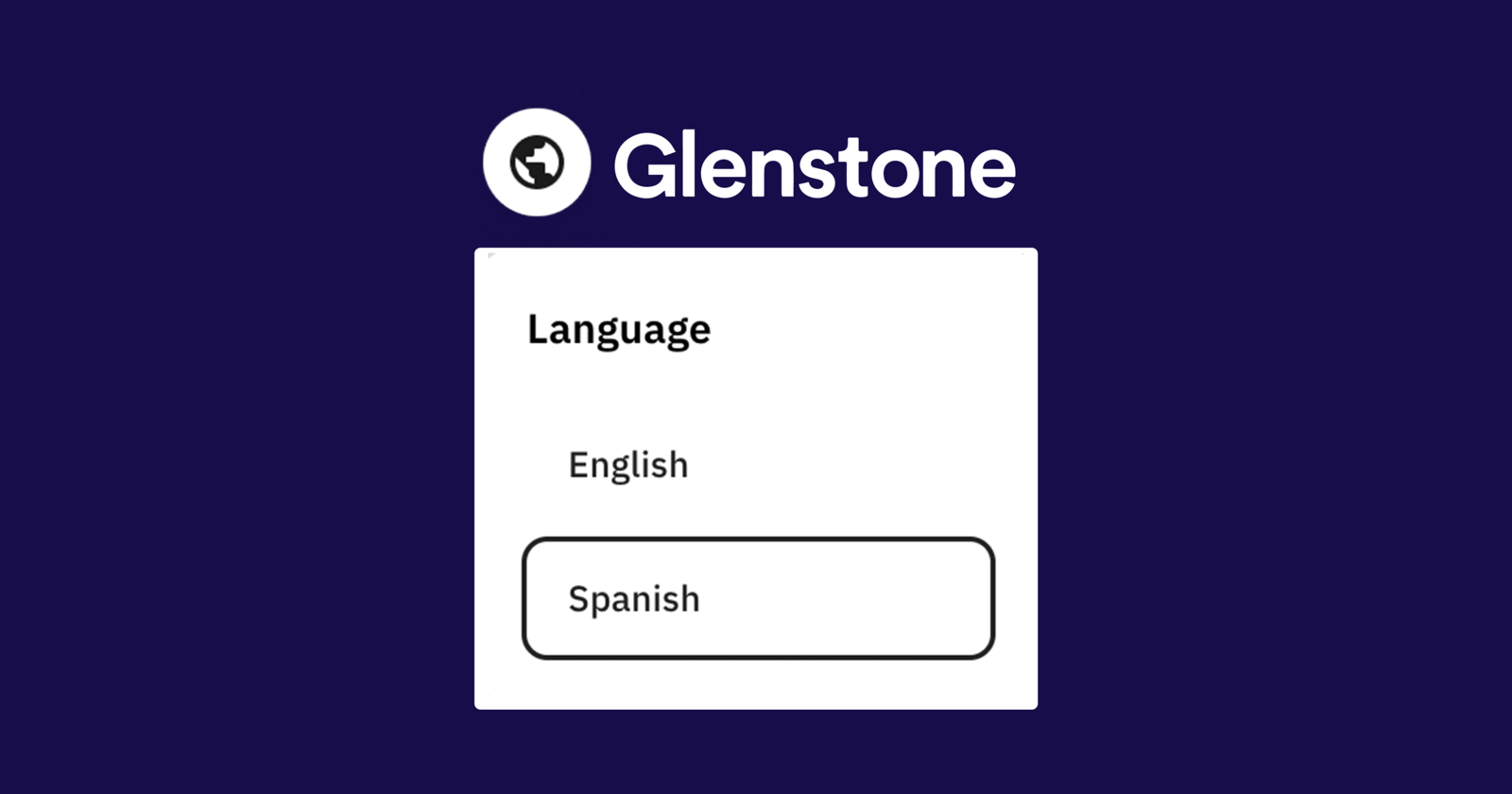
Spanish is the second most spoken language in the United States, with over 41 million people using it at home. By launching a Spanish version of its digital map, Glenstone Museum is making art, architecture, and outdoor spaces more accessible to Spanish-speaking visitors, improving inclusion and the overall visitor experience.
Why Spanish language support matters in cultural spaces in the U.S?
Spanish is the most spoken language in the U.S. after English, with more than 41 million people using it at home or as their first language. Millions of tourists from Latin America and Spain also visit the U.S. each year, making multilingual support increasingly important for museums and cultural institutions.
Offering navigation and information in Spanish helps cultural spaces welcome broader audiences and remove barriers to access.
Glenstone Museum’s approach to inclusive navigation
Glenstone Museum, located in Potomac, Maryland, is known for its unique blend of art, architecture, and landscape. Earlier this year, Glenstone introduced Living Map’s digital mapping platform to help visitors navigate its expansive grounds.
With the launch of a full Spanish version of the digital map, Glenstone is now opening its doors to a wider audience, ensuring Spanish-speaking visitors can explore the museum with the same clarity and confidence as English speakers.
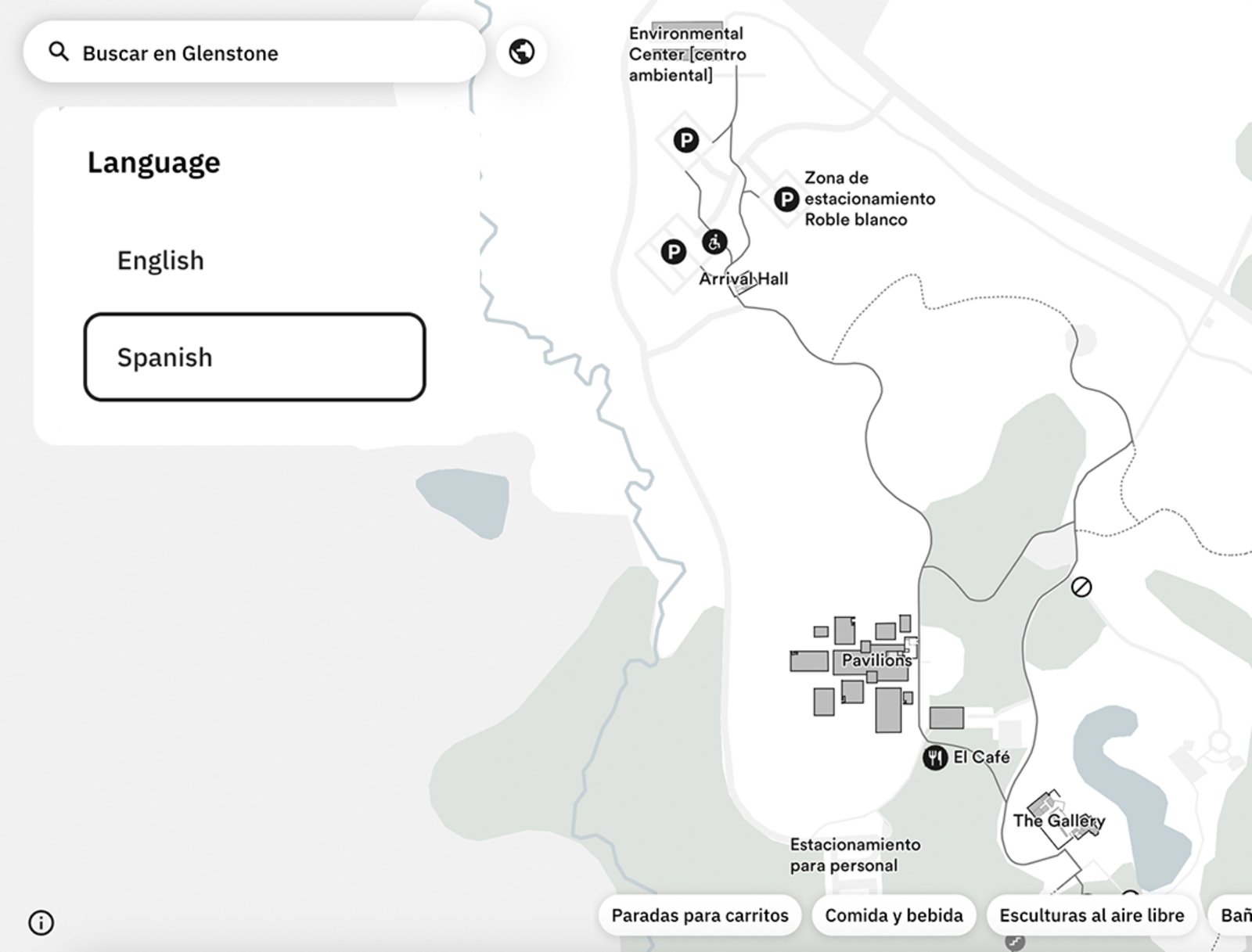
How the Spanish digital map works
The Spanish digital map supports visitors across Glenstone’s galleries and outdoor installations by providing:
- Clear navigation
Visitors are guided seamlessly between galleries, pavilions, and outdoor artworks, reducing confusion across the large site. - Step-free routes
Stair-free paths are highlighted for visitors with accessibility needs, making exploration easier for everyone. - Full Spanish language support
Spanish-speaking visitors can navigate the museum in their preferred language, improving comfort and confidence.
See it in action: map.glenstone.org
Improving the visitor experience through language access
By breaking down language barriers, Glenstone is taking a meaningful step toward inclusion. Visitors who speak Spanish as a first language, or who simply feel more comfortable engaging in Spanish, now have equal access to the museum’s world-class collection and serene landscapes.
This isn’t just about practicality. When visitors can move through a space effortlessly and in their own language, they are more likely to slow down, reflect, and connect deeply with the art around them.
Ultimately, the Spanish digital map sets the foundation for future multilingual offerings and positions Glenstone as a leader in inclusive cultural experiences — porque el arte es para todos.
FAQs
What is digital wayfinding?
Digital wayfinding uses interactive maps to help people navigate complex spaces such as hospitals, shopping centres, transport hubs, and campuses. It guides users step by step to their destination, reducing confusion and improving overall visitor experience.
How do multilingual digital maps improve accessibility in museums?
Multilingual digital maps allow visitors to navigate cultural spaces in their preferred language. This reduces confusion, increases confidence, and ensures that more people can engage fully with exhibitions, architecture, and outdoor environments.
Request a demo
Experience the power of our mapping, wayfinding, and asset tracking technology for yourself. See how our software can enhance your facility.