Shopping centres are back. Here’s what that means for yours.

The recovery in UK shopping centres is real. It will favour the centres people find easiest to use, at every size.
From Thunderbirds to back in fashion
When Bluewater opened in March 1999, The Times likened it to a cross between a nuclear test site and the Thunderbirds headquarters. Twenty-seven years on, The Sunday Times reports that UK shopping centres are back in fashion, with investors returning and retailers signing for bigger stores.
It is a welcome story and a well-reported one. Tom Howard's piece (The Sunday Times, 18 October, behind the paywall) covers the deals, the valuations and the retailers behind the turn.
One fact in it matters more than the headline figures. No one is building new shopping centres, so the question for every owner now is what to do with the building they've got.
What Sunday's article says about UK shopping centres
The money is back
CBRE's figures, quoted in the piece, put UK shopping centre acquisitions at £1.6bn so far in 2026, with more than £2bn expected by the year end. That would make this the busiest year for deals in over a decade. Landsec has added to its stake in Bluewater at a valuation well above its 2024 level, which the article reads as a clear sign that sentiment has turned.
The recovery starts from a low base. Landsec's chief executive, Mark Allan, told the paper that prime centre values fell by around two-thirds once online shopping took hold in the 2010s, and remain below half their peak, with rents around 25 to 30% lower. For the first time in nearly ten years, buyers are now competing for assets.
Retailers are going bigger
CBRE's George Pelling credits retailer demand for the change in mood, with Next, M&S and Zara among the brands committing to physical stores. Larger stores are doing more work: they serve as brand showrooms, click-and-collect points and small fulfilment centres. The biggest centres welcome around 20 million visitors a year.
That shift took the industry by surprise. Allan said that five years ago there was a worry that centres like Bluewater "were too big", and that the sector underestimated how far retailers would upsize.
The supply is fixed
No new centres are being built, and Edinburgh's St James Quarter, opened in 2021, was the last of note. Allan told the paper that building a new centre today would cost more than twice what it would be worth.
NewRiver's chief executive, Allan Lockhart, described occupier demand rising while the supply of space falls. In his view the sector is in its strongest position for a decade, partly because weaker retailers have already left the market.
The recovery is selective
The gains are not shared evenly. Some secondary centres in oversupplied areas have been demolished, including Standishgate in St Helens and The Core in Leeds.
If you own the asset
For owners, the article's numbers point one way. With supply fixed and retailers choosing carefully, a centre's value is increasingly judged on what happens inside the building as well as how many people come through the door.
Footfall counts people. Wayfinding search and routing data shows what they came for, what they searched for that the centre doesn't yet offer, and which parts of the building they reach least. That evidence is useful in leasing conversations, in rent reviews and in deciding where the next round of investment goes.
Bigger stores also mean a centre that changes shape more often. Units merge, flagships move and entrances shift, and each change works best when the map changes the same day. We've written separately about keeping visitors moving through redevelopment.
Owners are already investing in this part of the experience. Derbion in Derby, one of the UK's largest shopping centres, began working with Living Map in February on a new digital map for kiosks, mobile and desktop.
If you market the centre
The retail story in the article is a marketing story too. When brands treat their stores as showrooms and flagships, the centre around them is selling an experience as much as a list of tenants.
The map is often the first part of that experience a visitor uses. They open it on the centre's website while planning the trip, then again on a kiosk or their phone as they walk in. It is the first sign of how well the centre knows its own building.
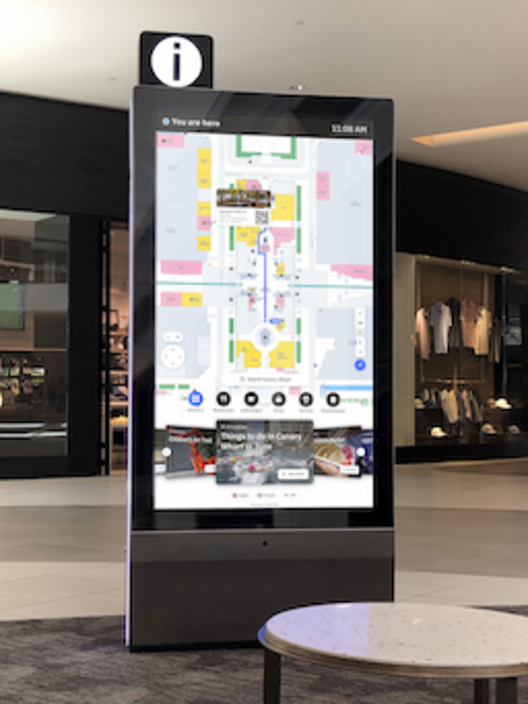
That makes the map a natural home for everything marketing does. Every campaign, store opening and event can link to a real place on a live map, so a visitor who reads about a new flagship can walk straight to it. A centre that has invested in its physical space deserves a map that shows that space as it is today.
The smaller UK shopping centres at the heart of their towns
Sunday's piece is about regional malls and large deals. Many UK shopping centres are smaller schemes in town centres, and plenty of them sit at the heart of their communities.
The recovery reaches them too. One of the article's most confident voices is Allan Lockhart of NewRiver, whose portfolio is built around community shopping centres and convenience-led retail parks. The demolitions involved secondary schemes in oversupplied areas; the smaller centres that thrive are the ones their town relies on.
At this scale the visit looks different. It is short, frequent and often for a service rather than a shop: the pharmacy, the library, council services, the gym. NHS community diagnostic centres now operate from shopping centres including Freshney Place in Grimsby and M Chelmsley Wood in Solihull.
Visitors span every age and every level of mobility, and many centres are finding new uses for space as anchor stores move on. That puts clear, step-free routes and a map the local team can update themselves at the centre of the visitor experience. With a small team and uses that keep changing, a map that keeps pace with the centre is one of the most useful tools it has.
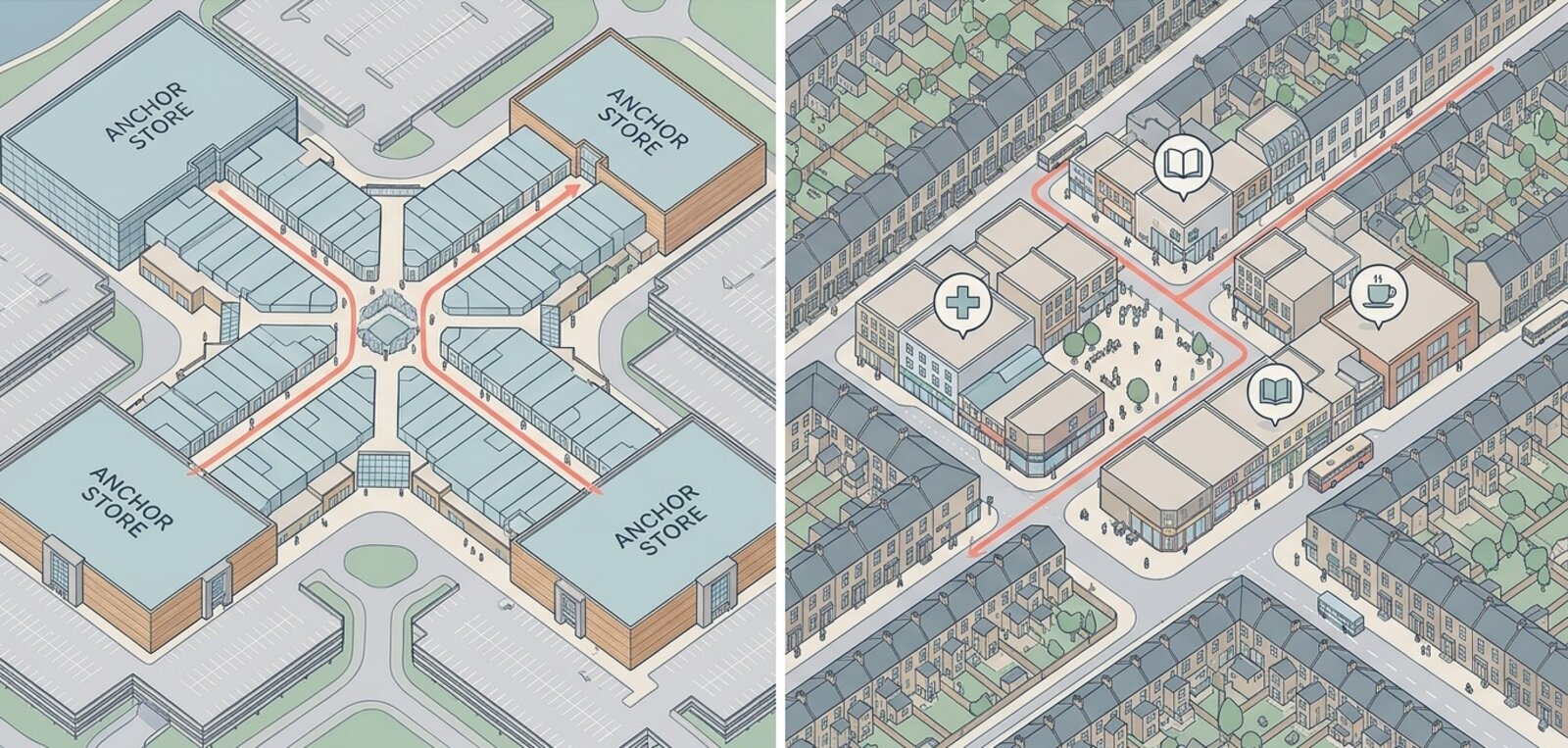
The building is fixed. The experience can keep moving
With fewer centres being built, every UK shopping centre now competes with the building it already has. How people find their way around it, and what the centre learns from them, is part of how the asset performs.
Wayfinding fits in three ways. The map is the part of the building that can change as fast as the centre does, it produces evidence of what visitors actually want, and it serves the 20-minute errand as well as the four-hour day out.
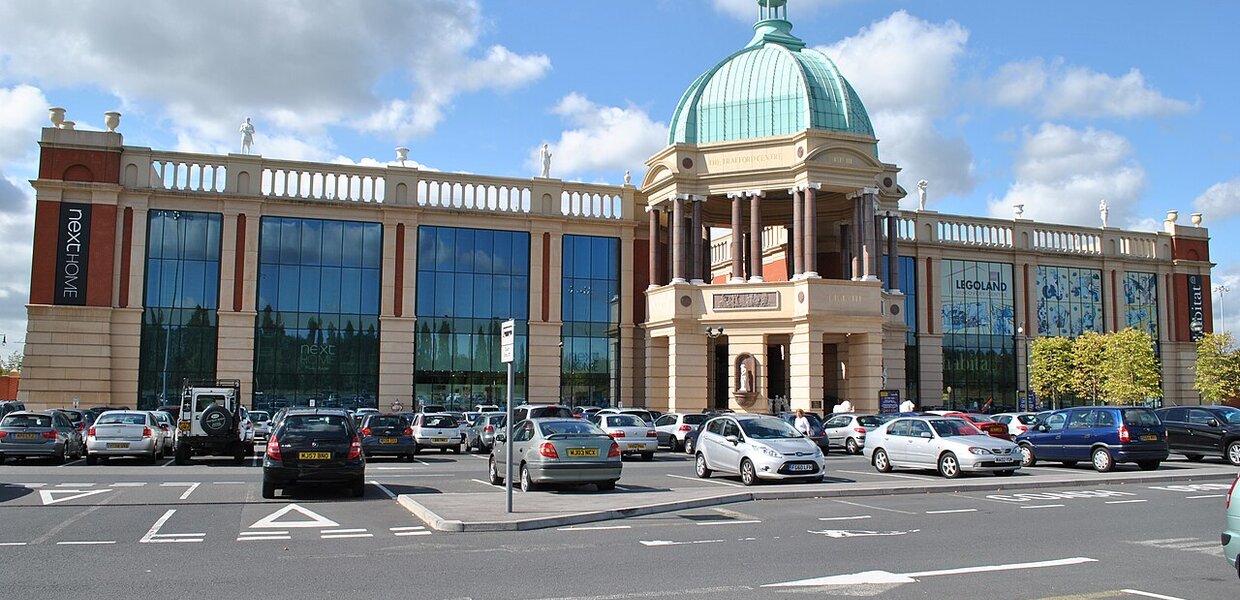
Trafford Centre and Lakeside, both named in Sunday's article, run their maps on Living Map, and their teams keep them current as stores move and grow.
If you're working out where your centre fits in the recovery, large or small, we're happy to talk it through. You can also read how Derbion is approaching digital wayfinding.
Request a demo
Experience the power of our mapping, wayfinding, and asset tracking technology for yourself. See how our software can enhance your facility.